


Why Parents Should Choose Schools That Focus on Learning Through Play
- fariha246
- Jun 5
- 4 min read

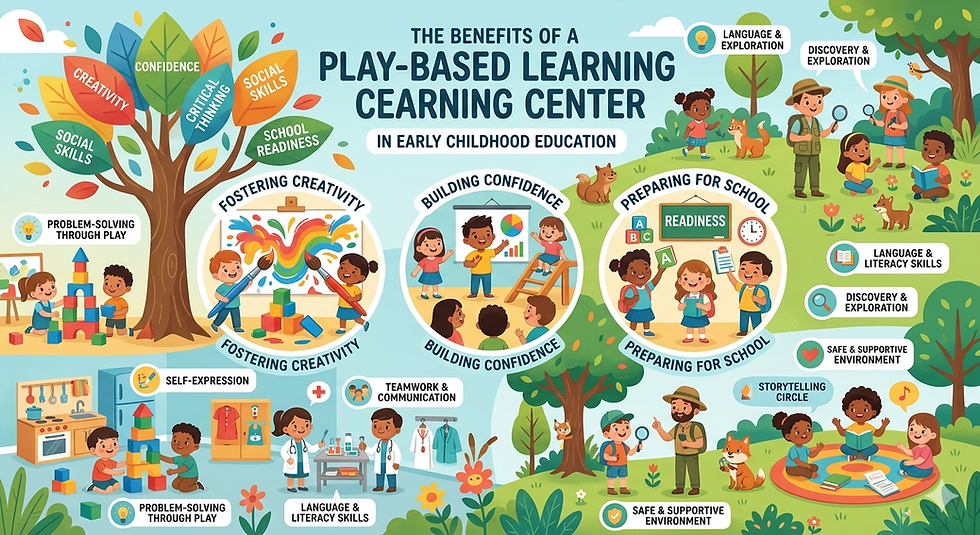
Choosing the right school is one of the most important decisions parents make because early educational experiences shape a child's academic, social, and emotional development for many years. Today, many educators recognize that learning through play creates a more engaging and effective environment for young learners. Rather than relying solely on traditional teaching methods, schools that embrace learning through play encourage curiosity, creativity, and active participation. As children explore, experiment, and interact with others, they develop essential life skills while enjoying the educational process. Therefore, parents should carefully consider schools that prioritize this approach because it supports well-rounded growth and long-term success.
Encourages Better Cognitive Development
One of the greatest advantages of learning through play is that it strengthens cognitive abilities naturally and effectively. When children participate in puzzles, role-playing activities, building games, and creative challenges, they learn to solve problems independently. Moreover, these activities encourage critical thinking and decision-making skills that support future academic achievement. Because children remain actively involved in the learning process, they often retain information more successfully than through passive instruction alone.
Improves Social and Communication Skills
Schools that promote learning through play provide numerous opportunities for children to interact with classmates in meaningful ways. During group activities, children learn how to cooperate, share responsibilities, listen carefully, and express their ideas clearly. Furthermore, they gain valuable experience in resolving conflicts and understanding different perspectives. As a result, children develop strong communication skills that benefit them both inside and outside the classroom environment.
Supports Emotional Growth and Confidence
A child's emotional well-being plays a significant role in educational success. Through learning through play, children are encouraged to explore their interests without fear of failure. Consequently, they develop self-confidence and resilience while learning how to manage emotions effectively. In addition, playful educational experiences help reduce anxiety and create a positive attitude toward school. This supportive atmosphere allows children to feel comfortable taking risks and trying new challenges.
Enhances Creativity and Imagination
Creativity is a valuable skill that contributes to innovation and problem-solving throughout life. Schools that emphasize learning through play encourage children to think creatively by engaging in storytelling, art projects, pretend play, and hands-on exploration. Additionally, these activities stimulate imagination and allow children to express themselves freely. Because creative thinking is developed early, children become more adaptable and resourceful when facing future challenges.
Develops Physical and Motor Skills
Another important benefit of learning through play involves physical development. Activities such as outdoor games, building projects, and movement-based learning help strengthen both fine and gross motor skills. At the same time, children improve coordination, balance, and physical awareness. Therefore, schools that integrate active learning experiences contribute to healthier development while supporting academic and social growth simultaneously.
What should parents look for in play-based schools?
Learning through play is often considered more effective because it aligns with the natural way children explore and understand the world around them. Instead of simply memorizing information, children actively participate in experiences that encourage discovery, experimentation, and problem-solving.
Furthermore, this approach keeps learners engaged for longer periods because activities are enjoyable and meaningful. Research consistently shows that children learn more effectively when they are emotionally invested in the process and have opportunities to apply knowledge in practical situations. Additionally, play-based learning supports multiple areas of development at the same time, including cognitive, social, emotional, and physical growth.
While traditional instruction can still be valuable, combining educational objectives with interactive experiences helps children develop a deeper understanding of concepts. As a result, they build stronger foundations for future learning while maintaining a positive attitude toward education and personal growth.
How does play-based learning support future success?
Many parents wonder whether play-based education can adequately prepare children for academic challenges later in life. In reality, learning through play helps build the fundamental skills required for long-term educational achievement. Through hands-on activities, children learn to concentrate, follow instructions, solve problems, and think critically. Moreover, they develop language abilities by communicating with peers and teachers during collaborative tasks.
These experiences also strengthen memory, reasoning, and decision-making skills, which are essential for future classroom performance. Additionally, children who enjoy their educational experiences often develop a lifelong love of learning that motivates them to pursue knowledge independently. Because they become active participants rather than passive recipients of information, they gain confidence in their abilities and approach challenges with greater determination.
Consequently, schools that incorporate play-based learning provide a strong academic foundation while fostering curiosity and enthusiasm for future educational opportunities.
Why is play-based learning better than traditional methods?
When evaluating schools, parents should carefully examine how learning through play is incorporated into daily classroom activities. A quality program should balance structured educational goals with opportunities for exploration, creativity, and social interaction.
Furthermore, parents should observe whether classrooms provide hands-on materials, collaborative projects, and engaging learning environments that encourage active participation. It is also important to consider the qualifications and teaching philosophies of educators because effective play-based learning requires thoughtful planning and guidance. In addition, parents should ask how the school assesses student progress and supports individual learning needs. Schools that value child-centered education typically create environments where students feel respected, motivated, and encouraged to explore their interests.
By selecting a school that embraces meaningful play experiences, parents can help ensure their children develop essential academic skills while enjoying a positive and enriching educational journey.
FAQs
What is learning through play?
It is an educational approach where children gain knowledge and skills through engaging, hands-on activities and interactive experiences.
At what age is learning through play most beneficial?
It is especially beneficial during early childhood, although older children can also gain valuable skills through play-based activities.
Does learning through play improve academic performance?
Yes, it helps develop critical thinking, problem-solving, communication, and concentration skills that support academic success.
Can learning through play be used at home?
Yes, parents can encourage educational games, creative activities, storytelling, and exploration to support learning at home.
Why do many educators support learning through play?
Educators support it because it promotes holistic development while keeping children actively engaged and motivated to learn.
Conclusion
Schools that prioritize learning through play provide children with valuable opportunities for academic, social, emotional, and physical growth.
This approach encourages curiosity, confidence, creativity, and lifelong learning habits. Parents who choose play-focused schools often help their children develop stronger foundational skills. As education continues to evolve, play-based learning remains an effective pathway toward future success.


Comments