


Best Preschool Curriculum for Kids (Complete Learning Guide 2026)
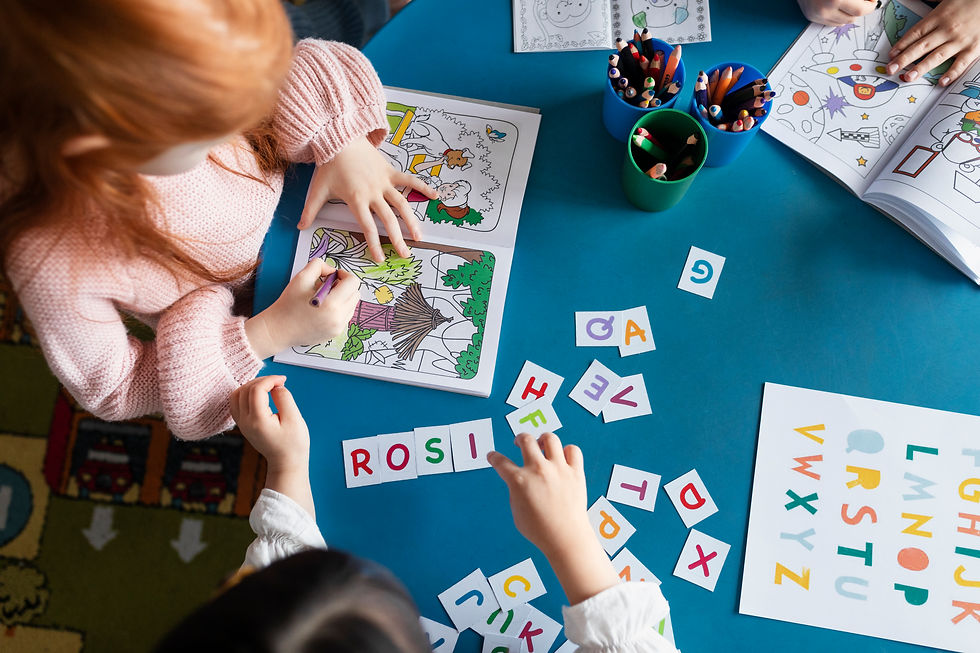
What Is a Preschool Curriculum for Kids?
Preschool curriculum is a type of program offered to young children to prepare them academically for kindergarten and other formal learning environments. It involves developing necessary skills at an early age, which are significant during childhood development. An effective preschool curriculum ensures that young children acquire necessary language skills, mathematics skills, creativity, and communication skills.
As compared to conventional teaching methods, preschool curricula involve playing, practical activities, stories, music, and other types of interactions. In addition to developing necessary skills, a preschool curriculum enables children to develop into independent learners.
They learn to follow routine procedures, interact with other children, find solutions to various issues, and communicate effectively. When parents seek the best preschool curriculum for kids, they are keen on choosing those that offer a balanced form of learning. This type of preschool curriculum gives children a solid foundation for future education.
Key Components of an Effective Preschool Curriculum for Kids
A good preschool program curriculum for children incorporates some important areas of learning that contribute significantly to their development. Language development forms an important part of the curriculum. Children develop vocabulary, listening skills, and communication abilities using stories, songs, and class discussion.
Mathematics for young learners is another area covered by the curriculum. This involves activities like counting, identifying shapes, recognizing patterns, and solving problems. Activities that enhance creativity, like painting, drawing, and playing pretend, also form part of the curriculum.
Key Learning Areas:
Language skills and Communication skills
Mathematical Skills and Numbers
Social-emotional development
Imagination and creative skills
Movement skills
These skills enable a child to be confident, curious, and prepared for lifelong learning.
How to Choose the Best Preschool Curriculum for Kids
The selection of the right preschool curriculum for children entails parents considering more than just the visual appeal of classrooms and marketing tools. The chosen curriculum must align with the child’s age, personality, and unique learning capabilities.
Parents should inquire about the teaching methods, which include play-based learning programs and techniques that emulate other education philosophies, such as Montessori Education. Other considerations include safety, qualifications of the staff members, classroom size, and the everyday schedule.
Teachers who have experience can foster an effective learning process that benefits the emotional and educational development of students. Ultimately, a good preschool curriculum ensures children feel confident, independent, and ready to attend school.
FAQs
What is a preschool curriculum for kids?
It is a learning program meant for preschoolers.
Why is preschool curriculum important?
Preschool curriculum helps establish an academic, social, and emotional foundation.
What skills do kids acquire from the preschool curriculum?
They include language, mathematics, creativity, communication, and problem-solving skills.
Is there a play-based method of teaching?
Yes, play-based teaching is common in some preschools.
How can I select a preschool curriculum?
Consider the teaching approach, safety, staff expertise, and curriculum goals.
Conclusion
An effectively designed preschool curriculum for children equips them with the necessary skills for academic, social, and emotional success.
With proper learning programs, creative activities, and expert guidance, preschool education will serve as the foundation for future successes.
Featured Snippet
Preschool curriculum for children is an organized program of early education that helps develop the language, numeracy, creative abilities, social skills, and school-readiness of children through playful learning.


I enjoyed reading this article because early education can provide an important foundation for young learners. Exploring preschool learning can help parents consider how engaging activities and supportive environments contribute to children’s everyday development.