


Child Development Center: Supporting Growth, Skills, and Confidence
- fariha246
- 2 hours ago
- 5 min read
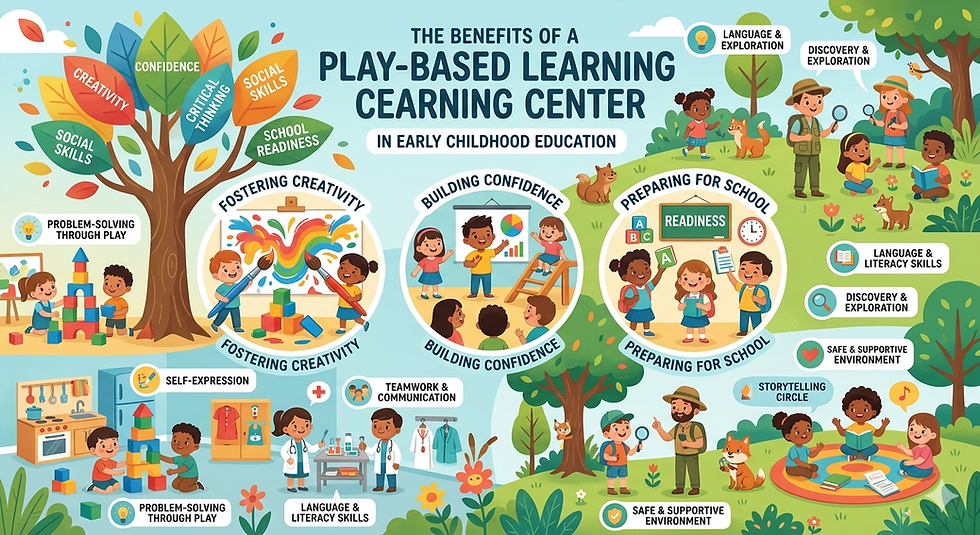
Children experience remarkable growth during their early years. From learning how to communicate and interact with others to developing physical and cognitive abilities, every stage of childhood plays a crucial role in shaping future success. A Child Development Center provides a supportive environment where children can develop essential skills, build confidence, and reach important developmental milestones.
Parents often seek the best opportunities to help their children thrive academically, socially, emotionally, and physically. A Child Development Center is designed to meet these needs by offering structured programs, professional guidance, and engaging activities that encourage healthy development. Whether a child requires additional support or simply benefits from a nurturing learning environment, these centers play a vital role in promoting lifelong success.
What Is a Child Development Center?
A Child Development Center is a specialized facility dedicated to supporting the overall growth and development of children. These centers focus on helping children strengthen their cognitive, social, emotional, language, and motor skills through age-appropriate activities and educational programs.
Many centers serve infants, toddlers, preschoolers, and school-age children. Some also provide specialized services such as speech therapy, occupational therapy, behavioral support, and developmental assessments. The primary goal is to ensure that every child has the opportunity to reach their full potential in a safe and encouraging environment.
The Importance of Early Childhood Development
Early childhood is one of the most important periods in a child's life. Research consistently shows that experiences during the first few years significantly influence future learning, behavior, and health outcomes.
A Child Development Center helps children develop foundational skills that support success in school and beyond. Early intervention and structured learning opportunities can improve communication abilities, problem-solving skills, emotional regulation, and social interactions.
Children who receive quality developmental support are often better prepared for academic challenges and more confident in their abilities. These positive experiences can contribute to stronger self-esteem and a lifelong love of learning.
How a Child Development Center Supports Growth
A Child Development Center focuses on multiple areas of development to ensure balanced growth. Each child is unique, and programs are often tailored to individual needs and abilities.
Cognitive Development
Cognitive development involves thinking, learning, memory, and problem-solving. Centers provide activities that stimulate curiosity and encourage exploration. Through puzzles, storytelling, educational games, and hands-on learning experiences, children develop critical thinking skills and gain a deeper understanding of the world around them.
Social Development
Learning how to interact with others is a key part of childhood. Children participate in group activities, collaborative projects, and play-based learning experiences that teach cooperation, sharing, and communication. These interactions help children build friendships and develop positive social behaviors.
Emotional Development
Emotional well-being is essential for healthy development. A Child Development Center helps children identify and express their emotions in constructive ways. Educators and specialists provide guidance that promotes self-confidence, resilience, and emotional awareness.
Physical Development
Physical activities are incorporated into daily routines to strengthen both fine and gross motor skills. Children engage in activities such as drawing, building, climbing, running, and interactive play. These experiences improve coordination, balance, and overall physical health.
Language and Communication Skills
Strong communication skills are essential for academic and social success. Centers encourage language development through reading, conversation, storytelling, and interactive learning activities. Children learn to express their thoughts clearly, understand others, and expand their vocabulary.
Benefits of Enrolling in a Child Development Center
Parents choose a Child Development Center because of the numerous benefits it offers to children and families.
Personalized Learning Opportunities
Every child develops at their own pace. Child development professionals assess individual strengths and challenges to create supportive learning experiences that match each child's needs.
Enhanced School Readiness
Children gain important skills that prepare them for success in kindergarten and beyond. Early exposure to structured learning environments helps children become comfortable with routines, instructions, and classroom expectations.
Increased Confidence
As children learn new skills and achieve developmental milestones, their confidence grows. Positive reinforcement and supportive guidance encourage children to believe in their abilities and approach new challenges with enthusiasm.
Early Identification of Developmental Concerns
A Child Development Center can identify developmental delays or challenges at an early stage. Early intervention services often lead to better outcomes and help children receive the support they need as soon as possible.
Safe and Nurturing Environment
Children thrive in environments where they feel secure, valued, and supported. Child Development Centers create welcoming spaces that encourage exploration, creativity, and learning.
The Role of Play in Child Development
Play is one of the most effective ways children learn. A quality Child Development Center incorporates play-based learning into daily activities because it supports multiple areas of development simultaneously.
Through imaginative play, children develop creativity and problem-solving skills. Physical play improves coordination and strength, while social play teaches cooperation and communication. Educational games and hands-on activities make learning enjoyable and meaningful.
By combining structured instruction with opportunities for play, children remain engaged and motivated throughout the learning process.
Working Together with Families
A successful Child Development Center recognizes the importance of family involvement. Parents and caregivers play a critical role in supporting a child's growth and development.
Regular communication between educators and families helps ensure consistency between home and learning environments. Many centers provide progress updates, developmental assessments, workshops, and resources that empower parents to support their child's development at home.
Strong partnerships between families and professionals create a collaborative approach that benefits the child and promotes long-term success.
Choosing the Right Child Development Center
Selecting the right Child Development Center is an important decision for any family. Parents should consider several factors when evaluating available options.
Qualified Staff
Look for centers with experienced educators, therapists, and child development specialists who understand the unique needs of children at different developmental stages.
Comprehensive Programs
The best centers offer programs that support cognitive, social, emotional, physical, and language development through a balanced curriculum.
Safe Facilities
A clean, secure, and child-friendly environment is essential. Parents should ensure the facility meets safety standards and provides age-appropriate resources.
Individualized Support
Every child is different. Choose a center that values personalized learning and adapts its approach to meet individual developmental needs.
Positive Reputation
Reading reviews, speaking with other parents, and visiting the center can provide valuable insights into the quality of care and services offered.
Conclusion
A Child Development Center plays a vital role in helping children build the skills, confidence, and knowledge they need to succeed. By supporting cognitive, social, emotional, physical, and language development, these centers create strong foundations for lifelong learning and personal growth.
Whether a child is preparing for school, developing communication skills, or simply exploring the world through play, a Child Development Center provides the guidance and support necessary for success. With qualified professionals, engaging programs, and a nurturing environment, children are empowered to reach their full potential and develop the confidence needed to thrive in every stage of life.
FAQs
What is a Daycare with Structured Routine?
A daycare with a structured routine follows a consistent daily schedule that includes learning, play, meals, and rest time.
Why are routines important for children?
Routines help children feel secure, develop healthy habits, and improve behavior and learning.
How does structured daycare support learning?
It provides organized educational activities that promote language, problem-solving, and cognitive development.
Can structured routines improve social skills?
Yes, children learn sharing, teamwork, communication, and cooperation through regular group activities.
Does a structured daycare prepare children for school?
Yes, it helps children develop focus, independence, and classroom-ready skills that support school success.


Comments