


How Emotional Development Activities Support Mental Growth in Kids
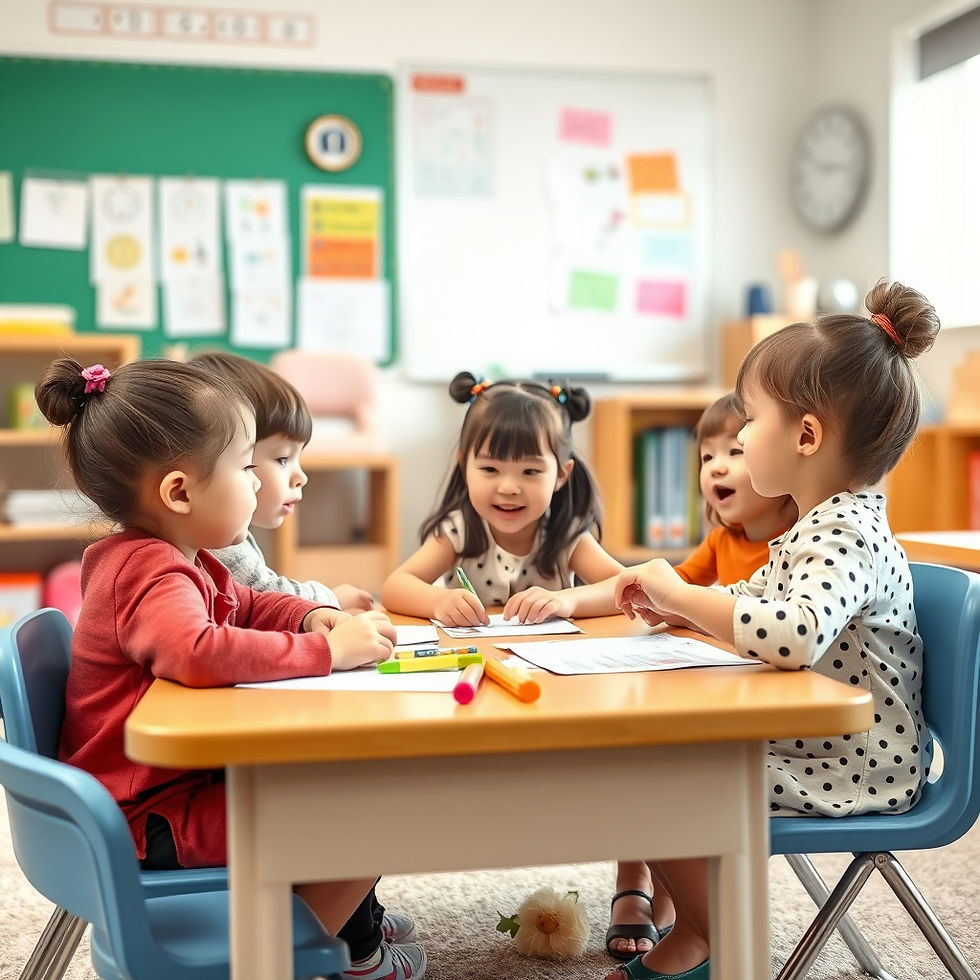
Early Emotional development activities play a vital role in helping children build strong mental foundations that support lifelong learning, healthy relationships, and overall well-being. As children grow, they experience a wide range of feelings that influence their thoughts, behaviors, and interactions with others. Therefore, parents and educators should encourage Emotional Development Activities that help children recognize, express, and manage emotions effectively. These experiences not only improve emotional intelligence but also strengthen problem-solving abilities, self-confidence, and communication skills. Moreover, when children understand their emotions better, they become more resilient and capable of handling challenges in a positive and productive manner.
Role-Playing Different Situations
One of the most effective Emotional development activities involves role-playing because it allows children to experience different emotions in a safe and supportive environment. Through imaginative scenarios, children learn empathy, conflict resolution, and emotional expression while gaining a better understanding of how others may feel in various situations.
Emotion Identification Games
Emotion identification games are valuable Emotional development activities that help children recognize facial expressions, body language, and emotional cues. Additionally, these activities improve self-awareness because children learn to identify and label their own feelings more accurately, which supports healthier emotional responses.
Storytelling and Reading Sessions
Reading stories that explore different emotions can be highly beneficial. These Emotional development activities encourage children to connect with characters, understand emotional experiences, and discuss feelings openly. Consequently, children develop stronger emotional vocabulary and greater empathy toward others.
Creative Art Expression
Art-based Emotional development activities provide children with opportunities to express emotions that may be difficult to communicate verbally. Whether through drawing, painting, or crafting, creative expression helps children process feelings while improving confidence and emotional understanding.
Group Cooperation Activities
Team-based Emotional development activities teach children how to collaborate, communicate effectively, and manage social interactions. Furthermore, these activities strengthen patience, respect, and emotional regulation, which are essential skills for personal and academic success.
Why are emotional development activities important for children?
Emotional development activities are important because they help children understand and manage their emotions while building essential mental and social skills. When children participate in activities that encourage emotional awareness, they become more capable of recognizing their feelings and responding appropriately to different situations.
Furthermore, these experiences improve emotional intelligence, which plays a significant role in decision-making, communication, and relationship building. Children who engage in regular emotional learning often demonstrate higher levels of self-confidence and resilience when facing challenges. Additionally, these activities support cognitive growth because emotional stability allows children to focus better on learning and problem-solving tasks. As children gain greater control over their emotions, they are more likely to develop positive attitudes toward themselves and others.
Therefore, emotional learning contributes significantly to mental development by creating a strong foundation for academic achievement, healthy relationships, and lifelong well-being.
How do emotional development activities help children handle stress?
Children frequently encounter situations that may cause frustration, disappointment, or anxiety, making Emotional development activities extremely valuable for developing healthy coping strategies. These activities teach children how to recognize emotional triggers and respond calmly rather than reacting impulsively.
Moreover, through guided practice, children learn techniques such as communication, self-reflection, and emotional regulation that help them navigate difficult situations effectively. As a result, they become more resilient and adaptable when facing challenges in school, at home, or within social environments. These activities also encourage children to seek support when needed and understand that experiencing emotions is a natural part of life. Additionally, emotional learning helps children develop confidence in their ability to overcome obstacles, which reduces feelings of helplessness during stressful situations.
Consequently, children who participate in emotional growth programs often demonstrate stronger mental health and greater emotional stability throughout their development.
How can parents support emotional development at home?
Parents play a critical role in supporting Emotional development activities because the home environment provides daily opportunities for emotional learning and growth. One effective approach involves encouraging open conversations about feelings and creating a safe space where children feel comfortable expressing themselves honestly.
Additionally, parents can use storytelling, role-playing, and family discussions to teach empathy, communication, and emotional awareness. Modeling positive emotional behavior is equally important because children often learn by observing how adults respond to challenges and emotions. Furthermore, parents can encourage problem-solving discussions that help children think through emotional situations and develop constructive solutions. Regular participation in creative activities such as drawing, journaling, and collaborative games also supports emotional expression and self-awareness.
By consistently incorporating emotional learning into everyday routines, parents help children build confidence, strengthen relationships, and develop the emotional skills necessary for long-term mental and personal success.
FAQs
What are Emotional development activities?
They are activities that help children understand, express, and manage their emotions effectively.
At what age should children start Emotional development activities?
Children can begin simple emotional learning activities during their early childhood years.
Can Emotional development activities improve behavior?
Yes, they help children develop self-control, empathy, and better communication skills.
Are Emotional development activities useful in schools?
Yes, they support social development, mental well-being, and classroom success.
Do Emotional development activities help build confidence?
Yes, they encourage self-awareness and help children feel more secure in expressing themselves.
Conclusion
Emotional development activities are essential for helping children build strong emotional and mental foundations. They improve self-awareness, resilience, communication, and social skills that support lifelong success. Additionally, these activities help children manage challenges while developing healthy relationships and positive behaviors. By encouraging emotional learning early, parents and educators can support balanced and confident growth in every child.


Comments