


Complete Guide to Structured Play Activities for Children
What Are Structured Play Activities for Children?
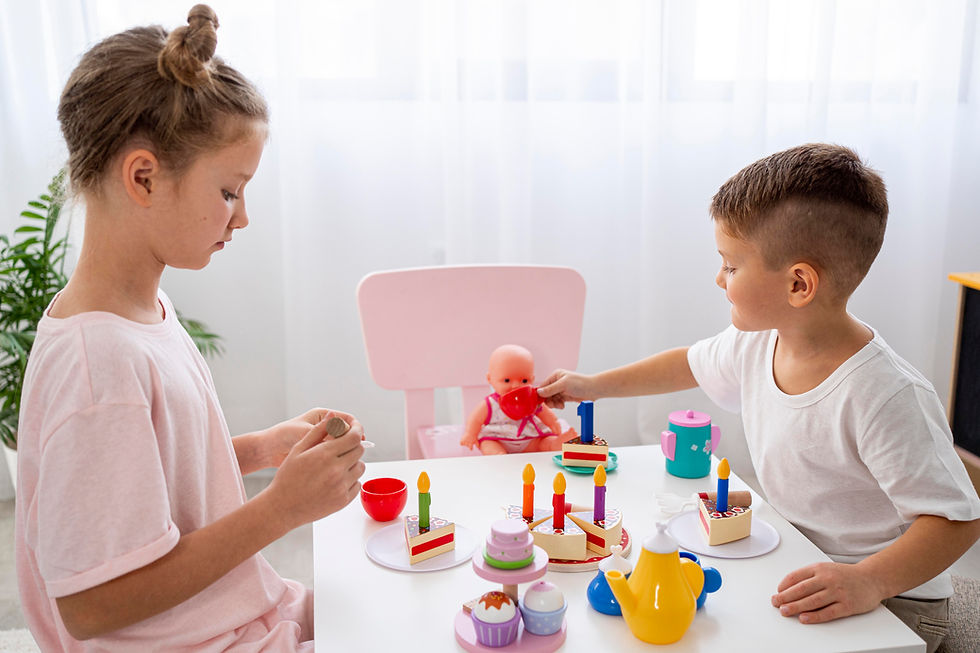
Structured play refers to a type of organized play where children are involved in some planned activity with the aim of developing them physically and socially, and making them creative and imaginative. This kind of play involves certain goals and instructions for the children to develop various life skills, unlike free play.
This kind of play can occur at home, childcare centers, preschools, and learning centers where teachers and parents make use of structured play to promote teamwork, communication skills, problem-solving ability, and emotional development in children.
Structured play is especially useful for young children because it teaches them discipline and routines, following instructions, and working together. It prepares the kids psychologically for schooling through improved listening and concentration skills.
It is recommended by various experts dealing with child development that structured play should be combined with free play.
Benefits of Structured Play Activities for Children
Many benefits are associated with structured play activities in children. This is because such activities present opportunities for learning while ensuring the child remains engaged and excited. One key benefit is the development of social skills. Children get to learn sharing, cooperation, communication, and courtesy through group activities. Structured play promotes emotional development by instilling patience, confidence, and self-discipline.
Another vital benefit is academic readiness. Another vital benefit is academic readiness. Play activities that include counting, classification, storytelling, and puzzle solving promote cognitive development in children.
Key Benefits:
Improves communication skills
Fosters teamwork and cooperation
Encourages imagination
Aids in managing emotions
Encourages concentration and listening skills
Such activities ensure that children have all the necessary qualities for academic performance and social interactions.
Best Structured Play Activities for Children
Structured play activities for children can be diverse and vary based on their age groups and developmental needs. It is important to select activities that are interesting, meaningful, and appropriate for their ages. Drawing, coloring, painting, and crafts contribute to children's creativity and dexterity
Storytelling sessions aid in their linguistic abilities and imaginative processes. Building blocks and categorization activities promote analytical thinking and problem-solving. Physical activities and music games also develop children's coordination and self-confidence. Team games enhance their collaboration and leadership abilities.
There are even educational methods that employ guided activities in their learning programs, for example, the Montessori education approach. With rotation, children remain engaged while acquiring new skills in a structured manner.
FAQs
What is structured play?
It refers to planned activities meant for learning and development.
Why should you structure play?
It helps develop communication, concentration, cooperation, and critical thinking.
Is it possible to have structured play at home?
A parent can plan structured play games at home.
What age group is suited for structured play?
The toddler, preschool, and school ages are suitable for structured play.
Does structured play help with school readiness?
Yes, it prepares the children for school and class interaction.
Conclusion
Organized playtime for children is an effective way of fostering their development by providing them with opportunities to learn and interact.
This is irrespective of whether the child participates in the activities at home, daycare, or preschool.
Featured Snippet
Organized playtime activities are fun tasks for children that allow them to develop their social, emotional, physical, and intellectual abilities through guided learning.


Comments